Snail Mail Renaissance: The Painters Who Trust Paper Over the Inbox
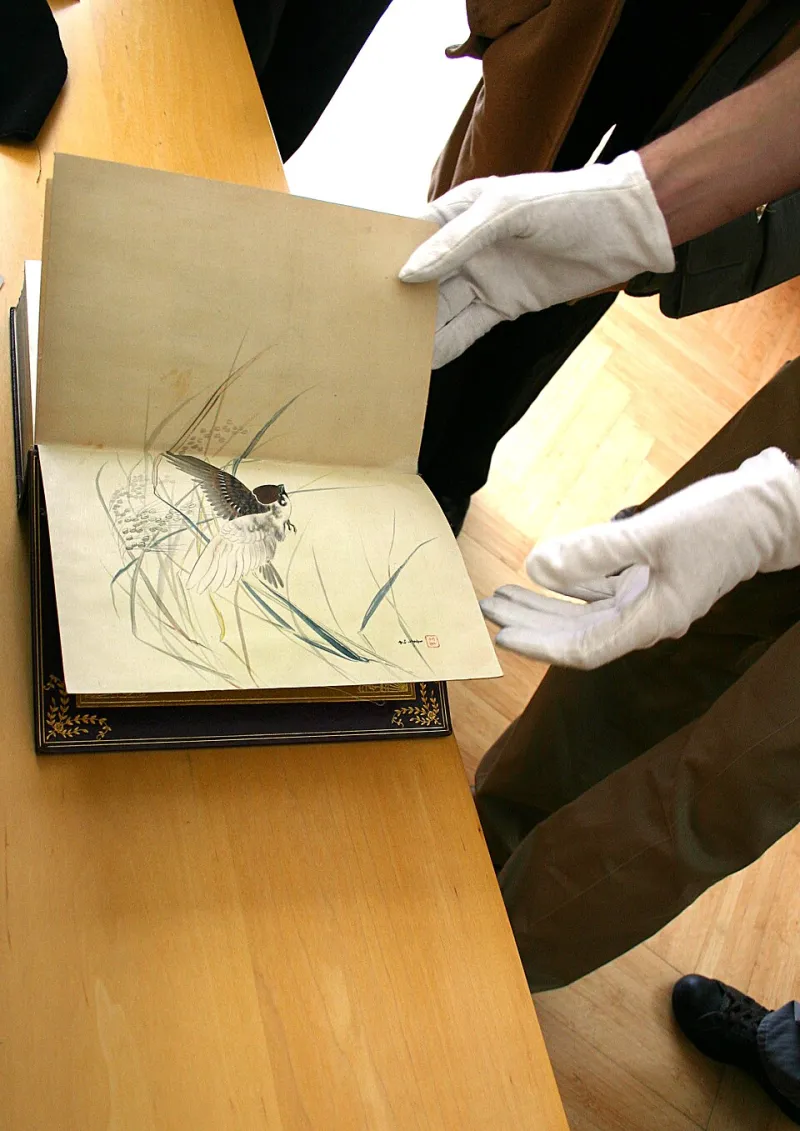
Photo: Oregon State University, CC BY-SA 2.0, via Wikimedia Commons
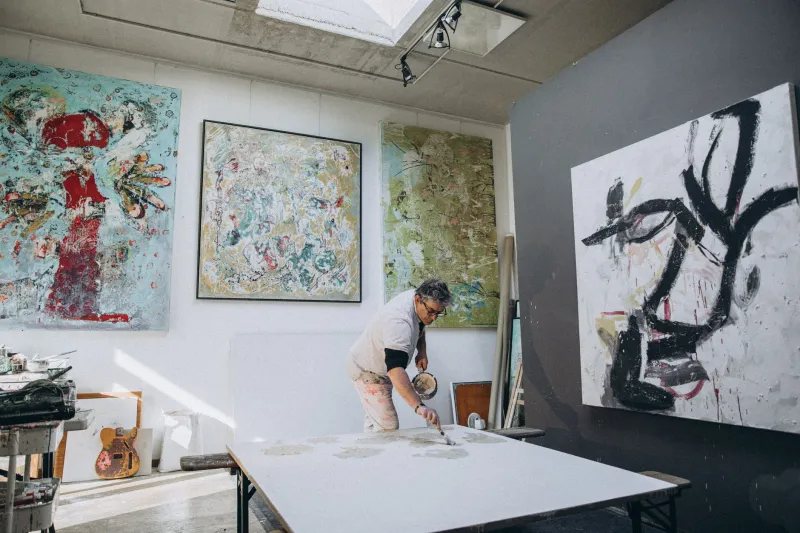
The submission process for most American painters follows a familiar liturgy: a PDF, compressed under the file-size limit; a short statement; a link to an Instagram grid; and then silence. Curators report receiving hundreds of identical emails a season, each one formatted to be skimmed, triaged, and forgotten. Against this backdrop, a quiet counter-practice has emerged — one that smells of linseed oil and postmark glue.
The Portfolio in the Mailbox
Over the past two years, a growing handful of painters across the country have abandoned the slide deck altogether. Instead, they are fabricating physical portfolios: hand-bound books of painted studies, small canvases affixed to cardboard folios, even single postcard-sized works mailed directly to a curator's desk. The gesture is expensive, slow, and deliberately inefficient — which is precisely the point.
"An email costs nothing, which means it's worth nothing," says one painter based in Santa Fe, who asked that her name be withheld while her mailing campaign is ongoing. "A painted portfolio costs me three weeks of labor and eleven dollars in postage. The curator knows that before she even opens it."
The economics of the gesture are doing rhetorical work. In a marketplace flooded with frictionless self-promotion, the physical portfolio announces its own scarcity. It cannot be forwarded, duplicated, or scrolled past in half a second. It demands a table, good light, and a few uncluttered minutes — resources more precious than any exhibition budget.
Attention as a Finite Material
Critics of the practice might call it gimmickry, and some curators privately do. But the painters engaged in it frame the act as a critique of how contemporary attention actually functions. Digital submissions flatten every artist into the same thumbnail; the painted portfolio reasserts the one thing a painter can uniquely offer — the surface itself.
There is also a matter of trust. A mailed object carries a return address, a stamp canceled in a specific town, a smudge of turpentine on the corner. These are small verifications of a real life lived in a real studio, harder to fake than a polished website. Collectors, in particular, seem responsive to this. Several dealers interviewed for this piece acknowledged that a physical submission, kept or returned, creates a memory that no attachment ever has.
Not every mailed portfolio lands well. Some curators find the tactic presumptuous; a few institutions have policies against unsolicited physical materials, citing storage and handling. The gambit works best when it is unmistakably generous — a gift, or at least a loan, rather than an ambush.
One Year, Fourteen Rejections, One Yes
The trajectory of a single portfolio illustrates both the cost and the payoff. In January of last year, a mid-career painter from Columbus, Ohio — working in a modest abstract idiom with no gallery representation — finished a twelve-page hand-painted folio and sent it to fourteen curators and collectors across the Midwest and the coasts.
Nine recipients never responded. Two returned the portfolio with polite, typewritten notes — one of which contained a two-sentence critique the painter describes as "worth more than a year of Instagram engagement." Two kept it, and one of those led to a studio visit, then a small group show that fall.
Fourteen rejections and one breakthrough is, by any statistical measure, a poor conversion rate. But the painter's ledger tells a different story. The return notes alone — physical, signed, thoughtfully composed — constitute a correspondence of a kind that digital submission portals have rendered nearly extinct. And the group show led to a sale, which more than covered the postage.
What the Postmark Proves
The painted portfolio will not replace the PDF, and it shouldn't. Scale, accessibility, and openness to unfamiliar artists all argue for keeping digital doors open. But as a corrective, the mailed folio does something the inbox cannot: it converts the artist's own materials — paint, paper, time — into the medium of the ask.
In an art economy where every painter is told to build a brand, there is something bracing about an artist who instead builds an object, addresses it by hand, and lets the mail take the risk. The postmark, it turns out, is still a signature.