The Palette as Barometer: What American Painters' Color Choices Reveal About a Nation on Edge
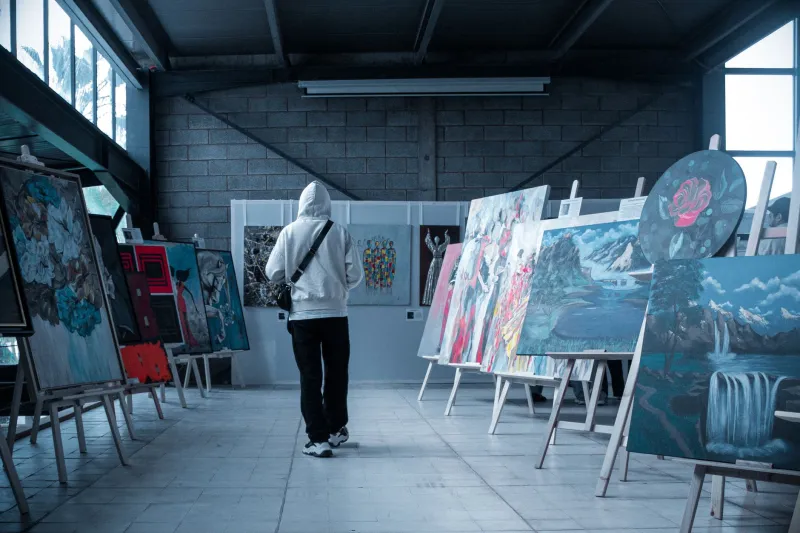
Walk through enough contemporary painting exhibitions—in Los Angeles, in Marfa, in a converted warehouse in Detroit—and a pattern begins to emerge. The colors are speaking, and what they are saying is not calm.
Painting has always functioned as a kind of emotional instrument, registering pressures that language struggles to articulate. What distinguishes the present moment is how deliberately American painters have turned palette itself into a critical apparatus. Color is no longer merely descriptive or decorative; it is testimony.
The Soothing Lie of Pastel
Consider the proliferation of powder blues, sage greens, and dusty rose tones in recent studio work. On the surface, these palettes read as serenity—an aesthetic of softness in hard times. Yet many painters deploying them describe the opposite intention. The pastel surface becomes a kind of pharmaceutical haze, a numbed and medicated visual field that critiques the very comfort it appears to offer.
A painter in Santa Fe, whose work we encountered at a recent Southwest survey show, described her pale, washed-out canvases as 'the color of holding it together.' The phrase captures something essential: these are not peaceful paintings but paintings about the performance of peace, executed in the hues of ambient dread.
Siren Red and the Apocalyptic Turn
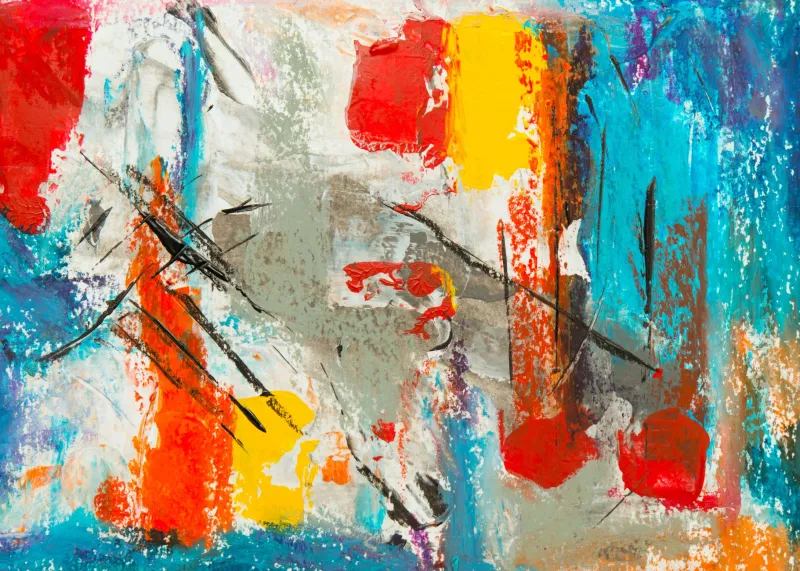
At the opposite pole sits a franker vocabulary of alarm. Cadmium reds, arterial crimsons, and burnt oranges have surged through the work of painters responding to wildfire seasons, political volatility, and a news cycle that never exhales. Where earlier generations might have reached for irony, many current painters reach for saturation—the visual equivalent of a smoke detector that will not stop.
This is not without precedent. American painting has a long history of color as national mood ring: the anxious chromatics of the Abstract Expressionists in the shadow of the bomb, the bruised palettes of the 1970s. What feels new is the speed with which painters now metabolize the news into pigment, working in something closer to real time than the tradition has previously allowed.
Neon Overload and the Economics of Attention
A third mode has emerged from the digital condition itself: fluorescent, screen-saturated color that mimics the visual environment of the phone. Painters working in this register—several of whom showed at fairs in Miami and New York over the past two seasons—are not celebrating the glow but reproducing its exhaustion. The canvases hum, flicker, and refuse rest, offering viewers an experience of their own overstimulation rendered in oil and acrylic.
Critics divided on whether such work constitutes surrender or sabotage. The strongest of it, in our view, does both: it lures the eye with the same mechanisms that exhaust it, then holds the gaze long enough for the discomfort to become legible.
The Seismograph Tradition
Situating these practices in lineage clarifies their stakes. Rothko's chapels of dusk, Philip Guston's ash-grays and blood pinks, Kerry James Marshall's deliberate, load-bearing black—all demonstrate that American painters have long treated color as argument. Today's practitioners inherit that responsibility under conditions of unprecedented speed and diffusion.
What the current generation adds is self-consciousness about the instrument itself. They know the palette is being read. They know collectors, critics, and algorithms are all parsing hue for meaning. And rather than retreat from that legibility, they have made it their subject.
Painting, it turns out, remains the slowest and therefore perhaps most honest medium for measuring how we feel. The colors on view right now suggest a country that is worried, medicated, alarmed, and overstimulated—often on the same canvas, often in the same afternoon. That contradiction may be the most accurate portrait of the moment yet painted.